Hullmark Stories
Where Music Meets Innovation
How Hullmark, Universal Music Canada and 80 Atlantic reimagined Liberty Village.
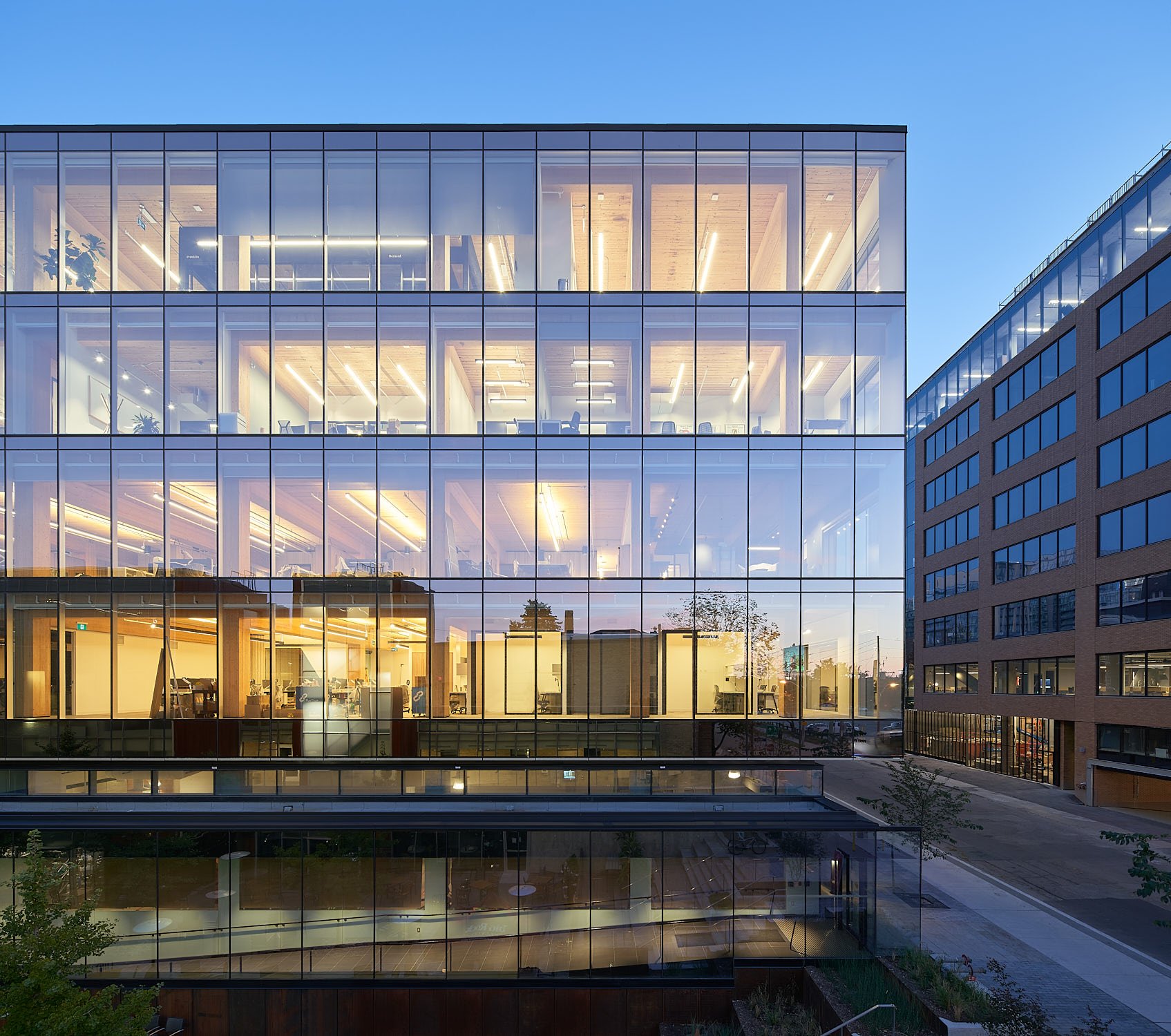
Liberty Village has always been a place of production. In the late 1800s, it produced wine, carpets and machinery. A century later, it produces music, media and ideas. When Hullmark first invested in the neighbourhood, it was not chasing a trend; it was recognizing a pattern. Creative districts endure because they evolve without losing their edge.
60 Atlantic served as the starting point: the careful restoration of an 1898 wine warehouse into a renewed brick-and-beam workplace. It reintroduced energy to the street and demonstrated how much the market values authenticity. Yet restoration alone was not enough. If Liberty Village was going to mature, it needed something new, something that honoured its industrial past while pushing construction forward.
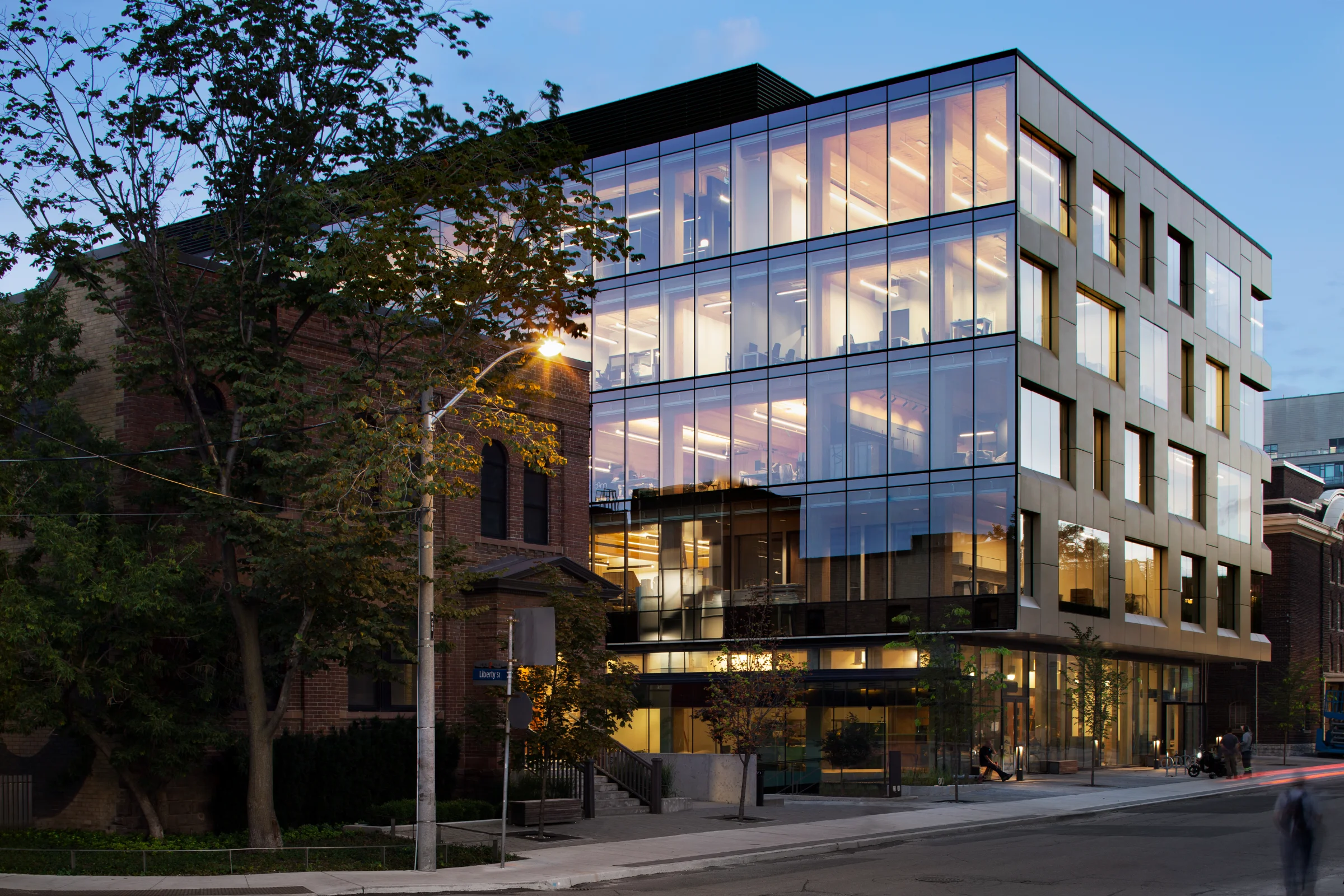
That became 80 Atlantic. When planning for the building began, mass timber was still largely theoretical in Ontario commercial development. Concrete and steel were the norm. Wood, at this scale, was a risk. But risk and leadership are often twin conditions.
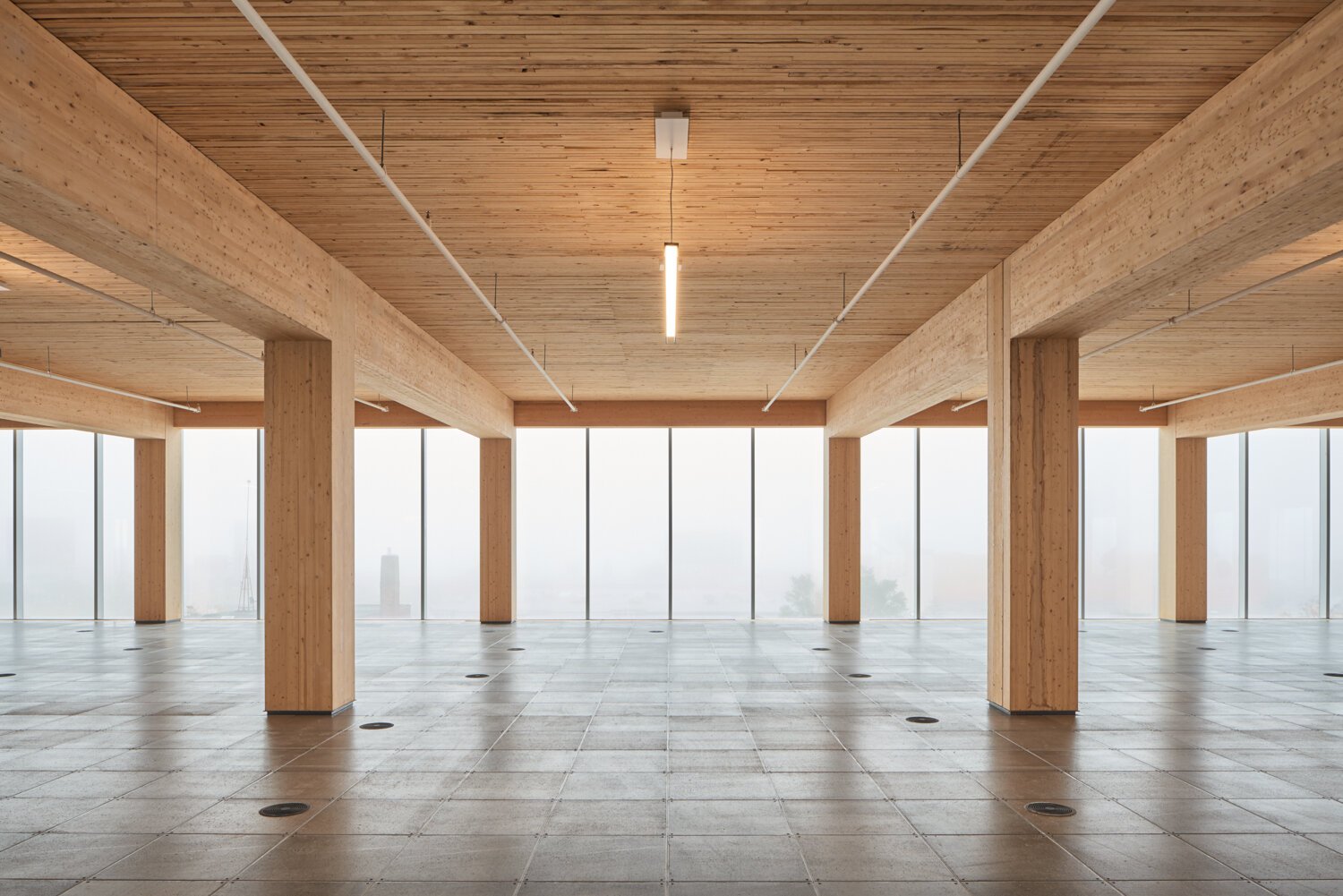
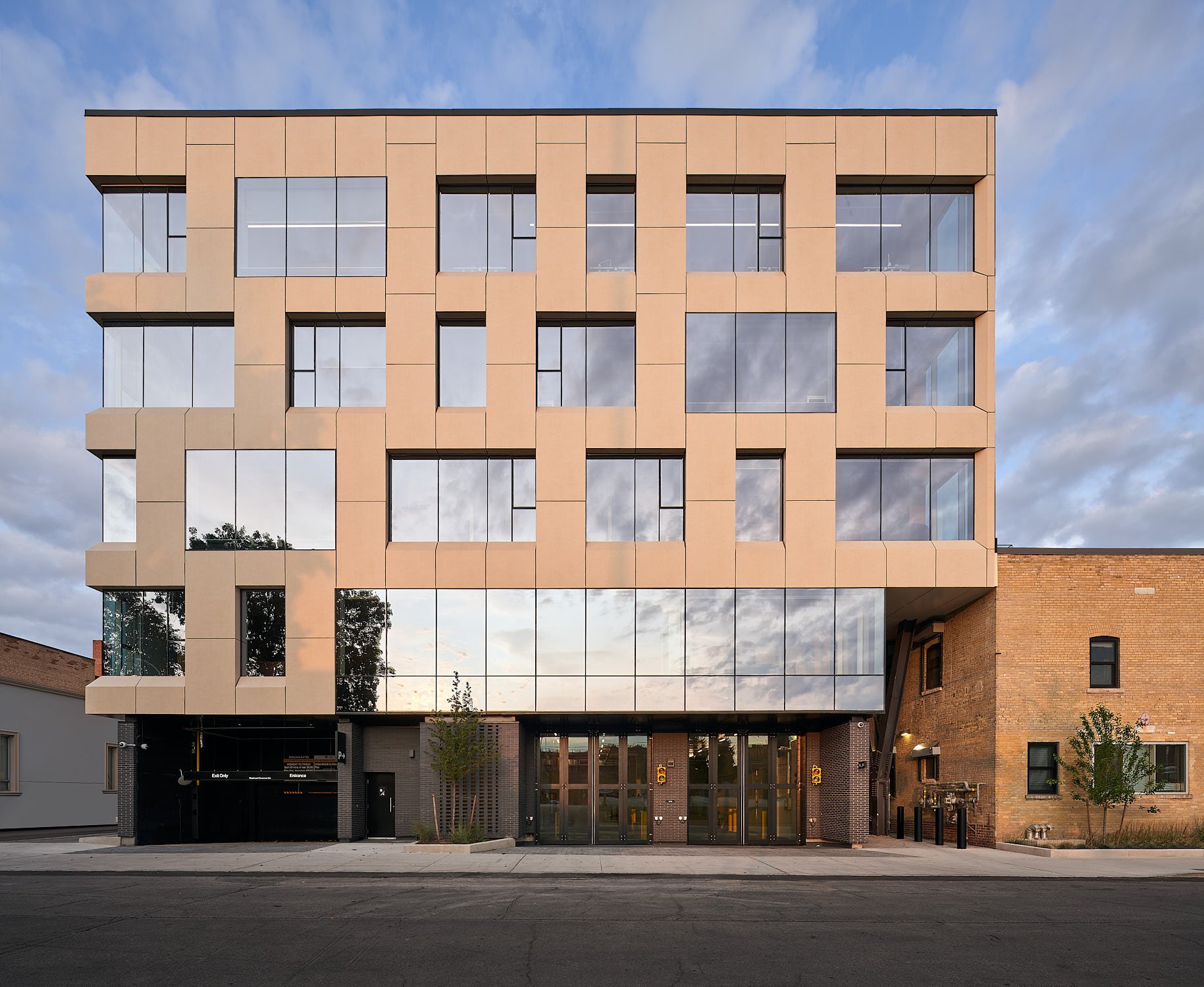
The premise was clear: the next generation of brick-and-beam offices would not replicate the past, but reinterpret it. Glulam columns and nail-laminated timber ceilings brought warmth, texture and humanity back into the workplace, without sacrificing performance. The structure reduced embodied carbon, while the exposed timber created a sensory experience tenants could not find elsewhere. It was Ontario’s first mass timber commercial office building in more than a century, proving the model worked at scale.
“Wood is lovely. Everyone loves it. You want to put your arms around it.”
- Richard Witt, BDP Quadrangle
Developed in partnership with BentallGreenOak on behalf of Sun Life, the project delivered a premium institutional asset that leased quickly in a competitive market. The tighter structural grid that timber required became an architectural advantage rather than a liability. The daylight-filled interiors, engineered floor plenum and visible craftsmanship attracted companies that understood their physical footprint served as an extension of their brand.
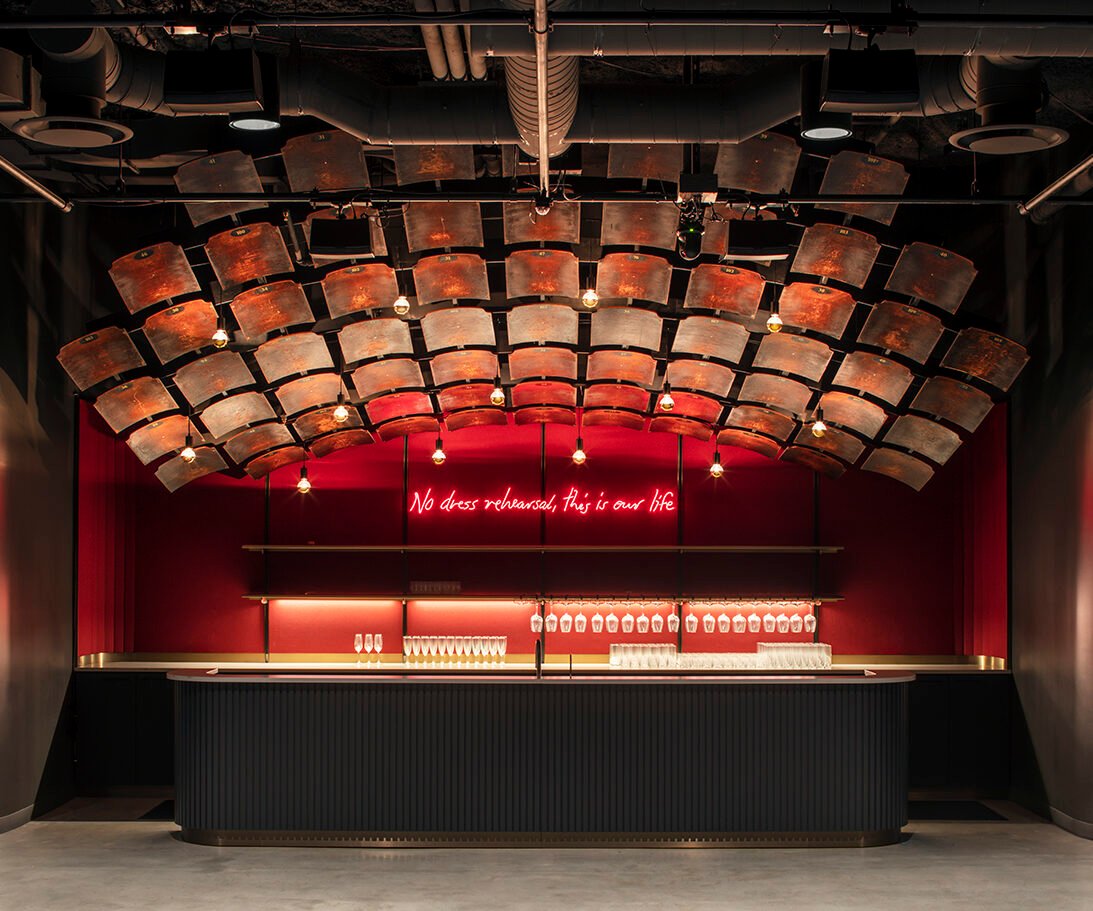
When Universal Music Canada chose 80 Atlantic for its new headquarters, the decision extended beyond square footage. The company created a cultural hub complete with recording studios, a performance venue, collaborative workspaces and a public-facing café. The timber structure reinforced their core identity: transparent, creative and rooted in place.
“Our new home is so much more than a record label’s office… it's transparent, revealing of the imagination and the initiatives that are happening inside.”
- Jeffrey Remedios, Universal Music Canada
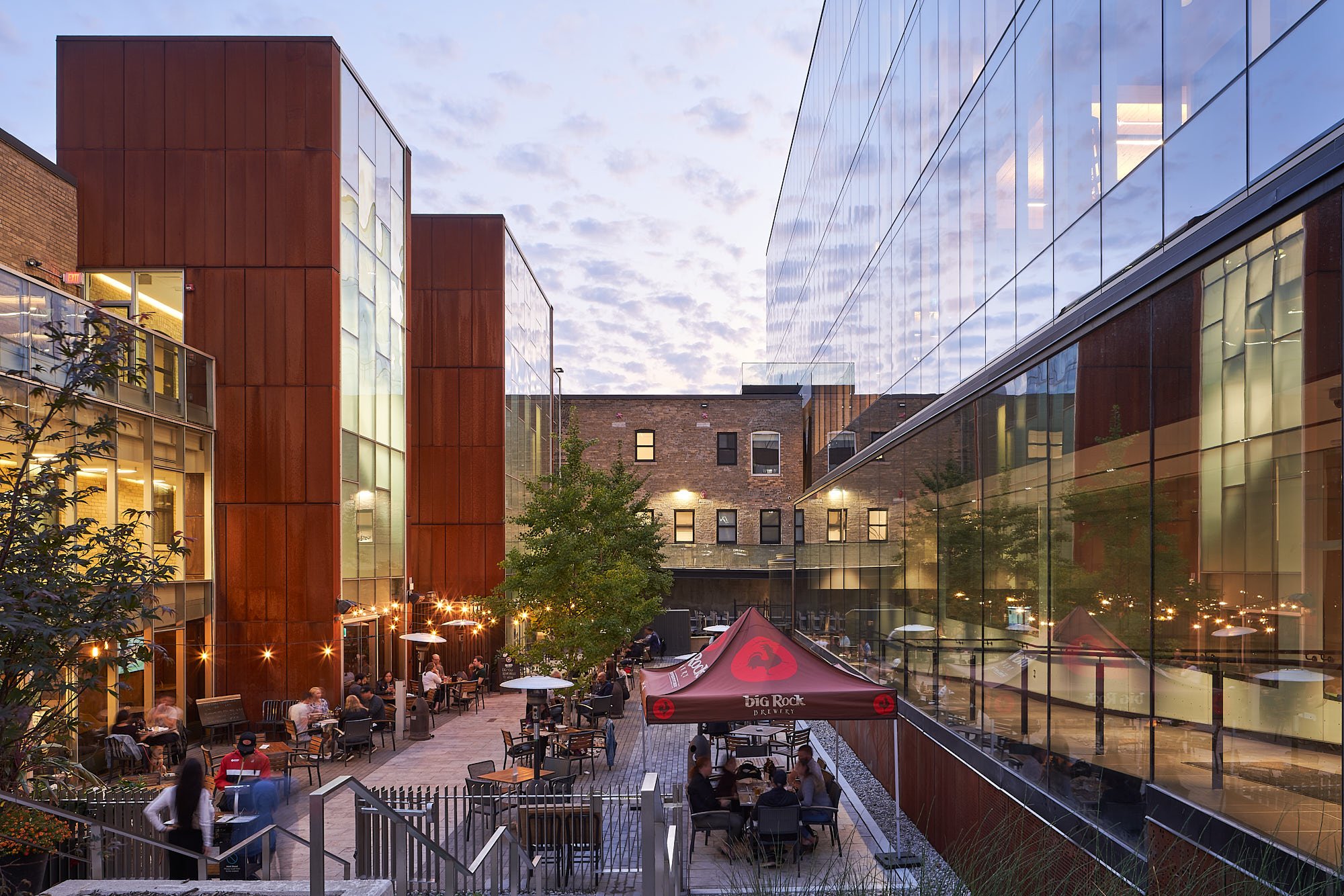
That transparency - literal and philosophical - was central to the design vision. The glass façade reveals the wood within. The courtyard connects old and new. The sloping plaza invites the neighbourhood in, while parking and service functions are discreetly positioned so the streetscape remains the primary focus.
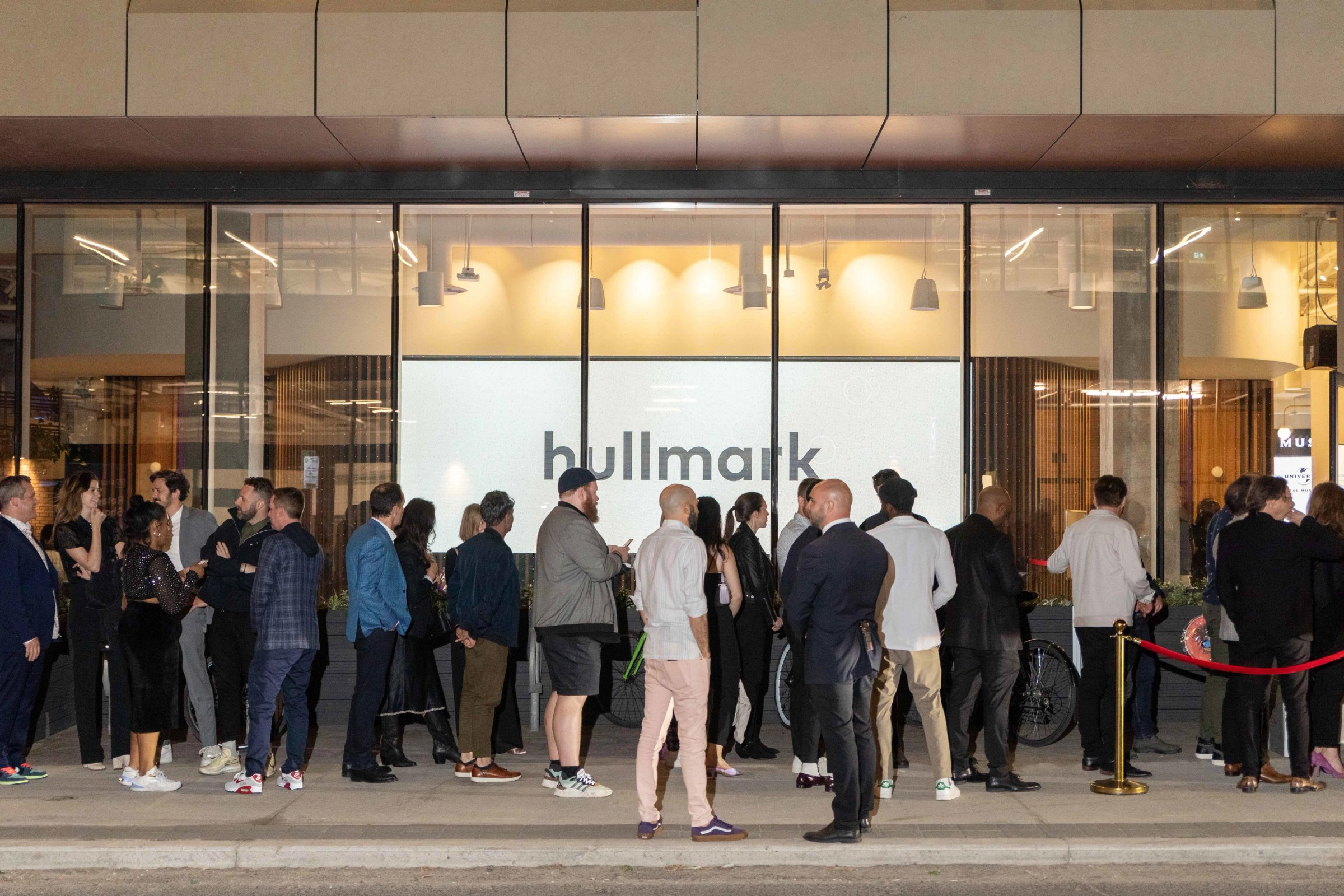
When the building reached completion, external conditions shifted dramatically as workplaces shifted worldwide. Offices emptied, studios went quiet and commercial real estate faced broader uncertainty. Yet culture adapted. Hullmark's sponsorship of the JUNO Awards during that period reflected a commitment to community investment during times of market disruption. Supporting Canada’s music industry reinforced the core objective of 80 Atlantic: strengthening the surrounding creative ecosystem.
Liberty Village continued to evolve. Music companies clustered nearby, creative agencies followed and municipal transit infrastructure advanced. What had once been an emerging node became a mainstream destination.
Through changing market cycles, 80 Atlantic demonstrates that innovation and performance are complementary forces. Sustainability can align with institutional returns, design execution can accelerate leasing velocity and targeted cultural investment drives long-term economic durability.
For Hullmark, this remains the guiding throughline: early investment in historic neighbourhoods, deep collaboration with institutional partners and calculated risks on forward-looking construction methods before they achieve widespread adoption. Success is measured not only by initial occupancy dates, but by long-term contributions to the surrounding urban fabric and capital partners.
80 Atlantic stands as proof that when architecture, culture and capital align, development achieves something far more enduring.
Next Story
New School Foods: Engineering the Future of Food
Chris Bryson built a 28,000-square-foot plant at The Radiator to solve one of the hardest challenges in alternative protein: raw-to-cook seafood.